mercoledì 25 Novembre 26

Daily Geoculture Review

Criticism Behaviour Imagination

Carmelo Strano editor

Home Blog Pagina 87

In poltrona ma non quella del teatro

pagina di uno spartito musicale con ombra di una mano che regge un fiore

I teatri sono chiusi, ma restano aperti in rete. La danza non va in scena, ma è sul web.

E ce n’è tanta, per restare connessi, mantenere la forma, condividere la nostra vita separata dalla socialità usuale.

I ballerini della Scala, che conoscono bene il valore della disciplina, invitano a rispettare le regole, a restare nel proprio spazio, ma senza impigrirsi e fanno esercizio dando il buon esempio con positività.

Nicoletta Manni e Timofej Andrijashenko, coppia in scena e nella vita, stelle del Piermarini, sono ripresi dalla regista Francesca Pedroni in prova, in casa, in strada a Milano e a teatro, prima che arrivasse il blocco anti-virus. Chi avrebbe sempre desiderato andare a teatro, può finalmente avere a casa tanti spettacoli e conoscere tanti nuovi ballerini, «non solo Bolle» (su Rai 1, famoso tra i famosi, per raccogliere fondi)  e «non solo Polunin» (fresco di paternità).

Il Teatro Massimo di Palermo ha pescato nei suoi forzieri per un menu di balletto contemporaneo Valerio Longo, ex Aterballetto, con un nuovo Bolero, Matteo Levaggi con un estratto della sua versione di Bella addormentata, il grand pas di Don Chisciotte con Sara Renda e Alessio Rezza, primi ballerini dell’Opera di Roma diretta da Eleonora Abbagnato. E poi ecco lo Schiaccianoci del cubano Lienz Chang con Jacopo Tissi, italiano al Bolscioi, accanto a Anna Nikulina, registrato sul magnifico palco siciliano.

Il Teatro Comunale di Bologna ha messo a disposizione i suoi tesori, cioè, un concerto  Omaggio alla Danza, con musiche di Caikovsky e Mendelssohn e il Lago dei cigni, proposto nella scorsa stagione con il valente Corpo di ballo del Teatro San Carlo di Napoli diretto da Giuseppe Picone, nella rivisitazione storica del cubano Ricardo Nuñez e con l’Orchestra di casa. Proprio da Napoli in aprile arrivano il Pulcinella di Francesco Nappa, ex Ballets di Monte-Carlo, e La Dame aux camelias dell’inglese Derek Deane. Il Teatro dell’Opera di Roma sciorina il Don Chisciotte di Laurent Hilaire, creatura della generazione Nureyev all’Opéra, d’après quello di Mikhail Baryshnikov per l’American ballet Theatre.

L’Opéra di Parigi regala il suo Lago dei cigni e in aprile la preziosa Robbins Night (Jerome Robbins è il coreografo di West Side Story) sul sito del teatro stesso e su Culturebox. Sulla Terza Scena web dell’ Opéra ecco i corti di fiction pensati per la rete, tra cui Grand Hôtel Barbès di Ramzi Ben Sliman, che mescola balletto e danza di strada, protagonista l’autore, che deve guadagnarsi di che pagare l’affitto con le donazioni a cappello, competendo con  Lorenzo Da  Silva, Bboy Jilou, Bboy Junior, Bboy Lil Kev, e la bravissima Bgirl Minzy. Da non perdere Les Indes galntes con danzatori africani e street dancers. La Royal Opera House londinese risponde con il delizioso Alice’s Adventures in Wonderland di  Christopher Wheeldon. Dalla Sydney Opera House si accede a un backstage con la super-virtuosa e super-star Natalia Osipova. Il Teatro Bolscioi offre una selezione dei suoi grandi balletti classici e il Marinsky di San Pietroburgo non è da meno con la propria webtv. Dal proprio divano si può leggere in italiano un estratto dalla biografia su Nureyev scritta da Julie Kavanagh, alla base del film di e con Ralph Fiennes , dove appare Sergei Polunin.

È on line pure il pregiato Palermo Palermo di Pina Bausch del Tanztheater Wuppertal. Rai Play trasmette la Carmen contemporaneizzata di Jiří Bubeníček, uno dei due famosi gemelli dell’Hamburg Ballett di John Neumeier.

ARTE-TV, franco-tedesca, è una miniera di scoperte, tra classico, contemporaneo e pop. Se si vuole danzare in salotto ci sono tutorial come quello di Renegade, nuovo ballo-hit della teenager Jalaiah Harmon, che si è già esibita all’NBA All Stars Game USA.

Per «fare danza» in prima persona, oltre ai mille tutorial d’ogni genere in uso gratuito online, ci si può iscrivere a The Animal Kingdom da un’idea dell’anglo-indiano Akram Khan (Rai 5 ha trasmesso la sua Giselle multiculturale), mandando un video con la propria interpretazione di sette animali a scelta sulla musica di Vincenzo Lamagna #OurAnimalKingdom.

Resa dei conti sulla sanità in Lombardia

Lombardia coronavirus sulla rubrica Spazio Milano di Fyinpaper, logo con scritta e disegno del Duomo di Milano

Lombardia e coronavirus. Sono i numeri nella loro crudezza a segnalare che i sistemi sanitari del Veneto e dell’Emilia Romagna navigano la crisi del Covid meglio di quello della Lombardia. Negli ultimi vent’anni in Lombardia le grandi infrastrutture ospedaliere, anche private, sono state premiate a scapito della rete sociosanitaria del territorio, cioè consultori e medici di base. Questa scelta, che veniva reclamizzata dal ceto politico come la «Sanità delle eccellenze», ha completamente sguarnito il territorio.

Con il Covid che si diffonde nella parte più ricca e evoluta del paese, la Lombardia, si chiude quella grande finestra di protezione della salute creata dallo stato sociale universalista del dopoguerra. Tina Anselmi, Donat Cattin, i cattolici democratici e i socialisti ne furono i creatori negli anni Settanta ispirati da Lord Beveridge, fondatore del primo grande Welfare State in Gran Bretagna.

Ora, nel mezzo della tempesta della pandemia del coronavirus, anche il sindaco Beppe Sala invita a una riflessione sul sistema sanitario lombardo di cui Milano è il centro. La sanità è una parte importante dell’economia della città. La politica delle «Eccellenze» molto ha cambiato la struttura creata negli anni Settanta in un modo che non è più adeguato ai tempi. La confusione di ruoli tra privato e pubblico, le sovrapposizioni la rendono difficile da gestire.

Solo poco tempo fa Milano aveva gareggiato con Amsterdam per ospitare l’Agenzia Europea del Farmaco. Perse al sorteggio finale con gli Olandesi dopo una gara condita da dossier voluminosi in cui la «Sanità delle Eccellenze» era stato uno dei cavalli di battaglia. Ora sembra che il più probabile concorrente nelle elezioni municipali del prossimo anno a Milano sia proprio l’attuale assessore alla Sanità della Regione Giulio Gallera, e ci si augura che per allora la Lombardia sarà uscita dall’emergenza coronavirus. Le ragioni di disaccordo tra Gallera e Sala sono molte, ma su una questione vige un tacito accordo: la parziale liquidazione e riforma profonda della «Sanità delle Eccellenze» creata durante i quattro mandati dal Presidente della Regione Formigoni.

André Verdet, poetry and astronomy

Photo black and white, portraits of André Verdet and Pablo Picasso, in the backgroun many palm trees.

Here, a very interesting unpublished 1979 poetical thought by the prominent French character who wrote it in a special artpiece, a mix of drawing and poem, which is here published as well.


L’étoile qui naît 

Voit toujours plus loin

que sa propre nuit 


André Verdet was born in Nice in 1913. Poet, painter, sculptor, essayst, fond of astronomy and musician (he was part of the band Bételgeuse devoted to free jazz). He would pass away in 2004. In 1937, he met Jean Giono, four years later Jacques Prévert and also Pablo Picasso in 1951: three figures who encouraged him towards poetry, painting and sculpture. In 1944, he was arrested by the Gestapo together with the surrealist poet Robert Desnos.

They were deported to Auschwitz and Buchenwald. In 1949 he went back to Saint-Paul de Vence, where he settled definitively. It was in 1951 when Pablo Picasso encouraged him to take up painting and sculpture, which he embraced. From that time on he became a close friend of many other artists such as Matisse, Chagall, Hartung, Léger. He published various collections of poems and books and essays on art. From the ‘60s he made a fusion between astronomy and poetry, alongside with mythology and classic literature. He died in Saint-Paul de Vence in 2004.

Work by André Verdet, abstract pencil drawing on paper. Looking at the work: on the left a poetic text, on the bottom right the dedication of the author.

I have always considered André Verdet, a real dear friend, one of the greatest poets of the twentieth century. That’s because of his original imagination which biologically merges with his deep poetic thoughts and feelings, catalyzing ringing transparency and freshness. He lived in his hermitage in Saint-Paul de Vence where he was kindly a mentor and “duke” to me in relation to places and characters, artists, poets, and even scientists. That place was his observatory on the world, an observatory which let him experience continuous osmosis between travels, meetings, astronomy, music with his mind and mood. In fact his internal world tended at internalizing and metabolizing the stimuli received. A figure well aware of his skills ​​and therefore modest, affable, rich in values, even the human ones. (Carmelo Strano)

 Ci vuole talento

talento
Mariella De Santis Robbins, courtesy Dino Ignani

Ci vuole talento. Perderti e stare dentro un’epidemia. Sono passati quasi 15 mesi.

I tuoi libri sul comodino sono come la sera prima che andassi a fare un esame in ospedale senza più tornare a casa. Gli armadi, le scarpe, i vestiti, pure. In questi giorni che sono sempre a casa ci tengo a stare in ordine e allora ho preso un paio delle tue felpe. Belle. Ci sto bene dentro. Faccio la doccia un giorno nel mio bagno e uno nel tuo. La ginnastica nel tuo studio. Ho tolto un quadro e ne ho messi tre più piccoli. Avevo promesso ad Annarita che le avrei regalato quello che ho tolto ma mi sono accorta mentre lo incartavo che dietro c’è una dedica e un ringraziamento a te dell’artista. Quindi forse dovrei dirle che non posso più regalarle l’opera. Mi sento in imbarazzo. Dovrei anche aprire il tuo pc e mettermi a raccogliere i tuoi saggi rimasti in sospeso per pubblicarli. Poi dovrei lavare le tende. E dovrei anche riprendere a lavorare su Und Tabu ma ho paura. Di cosa non lo so. No, non del virus. Peraltro credo di averlo avuto a gennaio quando però si pensava che non ci riguardasse. Che botta che ho preso, mio caro. Prima una leggera congiuntivite, poi mal di gola poi una tosse che temevo mi spaccasse le costole. La nostra dottoressa era preoccupatissima. A volte dico meno male che non stai vivendo questi momenti. Poi mi dico: cretina. Lui avrebbe voluto vivere anche questo. La vita non ti spaventava e ti piaceva. Faccio sempre un po’ fatica a capire quelli che dicono quanto gli piace vivere. Mah, non so per me è solo un dato di fatto e ‘sto fatto bisogna farlo bene, rispettandolo e migliorandolo. Ho cambiato lavoro il giorno prima della serrata. Sono andata nel nuovo ufficio solo un giorno, ho preso dei compiti da fare a casa e via. Non ho capito se era un buono o cattivo presagio. Da quando sei morto tutto è confuso, ciò che è bene e si rivelerà male e il contrario.  Chi sa dire e chi non sa ma dice lo stesso. Come in questi giorni col virus. Mi sono data una regola, radiogiornale alle 6.45, 13.45 e 18.45. Qualche giornale on line in giornata. Cancello senza leggere la maggior parte delle cose che mi arrivano su wapp. E arrivano 2,3,4,10, 20 volte le stesse. Perché tu conosci troppe persone, mi dice mia sorella. Pure se non voglio, alla fine devo tornare a me. Con questa colpa per ogni cosa, ma quella è una vecchia conoscenza. A me le giornate volano. Mi ricordo di quando tuo fratello malato diceva: già solo lavarsi occupa tutta la mattina. Mi pare succeda così anche a me. Però lavoro anche eh? Solo che lo faccio in orari svariati. Quelli che sento produttivi. I primi giorni sono caduta in uno stato catatonico. Come se gli ultimi pesantissimi 5 anni mi si fossero stesi addosso col loro carico di piombo che mi si è conformato intorno al cuore, allo stomaco e organi meno nobili. Tutto parla di te. Ho sempre i piedi freddi. Ieri sono uscita da letto alle tre di pomeriggio. Cercavo di convincermi che era qualcosa che mi potevo permettere. Non so quanto mi sia autoconvinta. Assolta mai, ovvio. Ho recuperato passando l’aspirapolvere e innaffiando le piante. Ho scongelato un brodo che mi aveva dato Roberta qualche mese fa. Quanto ci piaceva mangiare bene. Una volta l’anno ci concedevamo un ristorante stellato, ascoltavamo ogni sapore e ne parlavamo. Era bello. Ora mangiare è nutrirsi. Beh, devo dire che stando a casa ho iniziato anche a fare qualcosa che non sia al vapore niente di che eh? Però ho addirittura comperato 2 uova per fare un plumcake.  Isola di Miyajima, pieni di salute e felicità siamo al mercatino locale. Un anno prima del disastro. Ti fermi davanti ad una bancarella di suppellettili, prendi un cucchiaio di legno d’acero con un buco a forma di cuore al centro e mi dici: voglio comprartelo così quando cucini mi pensi. Io rido, ti  dico che non credevo saresti arrivato ai cuoricini, sottolineo che nel cassetto in cucina ne abbiamo già una decina, poi ti ricordo che quando preparo da mangiare tu mi sei sempre attorno che chiacchieri, ascolti la radio, versi del vino in due calici. Accettai il regalo, divertita e intenerita. Ora prendo in mano il cucchiaio d’acero col buco a forma di cuore al centro e dico: ma come lo sapevi? Come sapevi in un giorno di sole e felicità che quel cucchiaio avrebbe spodestato dalle loro funzioni tutti gli altri? Che sarebbe diventata la tua voce e il tuo sguardo nella luce di Miyajima in giorni in cui dentro me il sole è sempre basso? Mi vergono di cadere nel mio dolore. Penso ai medici, ai paramedici, agli spaventati, a chi ha perso il lavoro, ai figli ai padri. No, non è questione di fare una classifica del dolore è che ti trovi a pensare: se i genitori di Giulio ancora respirano, ancora cercano verità, vuol dire che da qualche parte ci sta la cassetta degli attrezzi che spetta ai salvati. Lo so ci sono anche i sommersi e non sempre sono quelli che muoiono. Si levano i ricordi, nubi rade per chi non ama più pensare al passato. Tranne a quello con te che però non riesce a diventare passato. No, dicevo, i ricordi. Mia madre mi mandava spesso a trovare la signora De Fazio le portavo qualcosa di caldo in inverno e fresco d’estate. Viveva a letto. Malattia misteriosa. Mi raccontava di sua madre morta di spagnola nel 1918  e lei rimase orfana a 16 anni. Mi ricordo i pensieri che non mi azzardavo a condividere con nessuno per paura di sentirmi dire per l’ennesima volta che ero strana. Pensavo che  Spagnola era un nome poco serio per una malattia. E che morire per una malattia col nome ridicolo non mi sarebbe piaciuto. Oggi Covid19 fa impressione, sembra un nome che potrebbe stare in un film da the day after. Invece è vera e di oggi 1 aprile 2020. Virus vagabondo e democratico. E anche spudorato, mostra le vergogne di ogni paese, le parti molli e maleolenti. America ragazzo di 17 anni muore perché rifiutato dall’ospedale in quanto senza assicurazione. Africa  centinaia di persone usano la stessa latrina e non hanno acqua corrente. Tu sostenevi un programma di costruzione di latrine igieniche per le popolazioni che altrimenti scaricavano nel fiume da cui attingevano l’acqua. Ti prometto che appena chiudo con tutte queste beghe burocratiche tornerò a sostenere tutte le associazioni che supportavi. Io non sapevo nulla. Nulla. Ti piacevano i segreti. Ora il mio pensiero va a chi ha perso nella stessa famiglia una, due, tre persone e dovrà confrontarsi con la burocrazia italiana, coi documenti impossibili, con l’agenzia delle entrate che fa errori in tempo reale e non restituisce i soldi in tempo reale. E penso che anche loro non avranno il tempo d cadere o forse no, forse loro potranno cadere subito come è finalmente capitato a me dopo 15 mesi. I primi giorni solo il senso tiranno del dovere mi faceva lavorare le ore necessarie per portare a termine dei compiti e poi catatonia assoluta. Mi sono spaventata. Mi guardavo dall’esterno e mi chiedevo chi fosse quella tizia seduta in poltrona avvolta in coperta che magari guardava su Netflix le più impensate delle serie TV per ore ore ore. Mi scopro morbosamente attratta da alcune ambientate in comunità chassidiche ultra ortodosse. Non credo sia solo perché distanti da me. Potrei guardare documentari sui popoli incontattati, allora. Invece Shitsel, Unorthodox, One of us. Credo sia per quel mio tormento di capire come si intreccia e nasconde l’intrico di bene e male, diritto e scelta, libertà e soggezione. Come la normalità riesca a custodire e talvolta nascondere l’eccesso. Il tema della mia vita, insomma. Una parte di me diceva è l’effetto marmotta, poi passa. Un’altra era terrorizzata che potessi rimanere sempre così. Quando ero piccola se facevo una smorfia a mia sorella, mia madre diceva: ora passa l’angelo dice amen e rimani così tutta la vita. Non ci credevo davvero ma un po’ sì…. E allora nel silenzio di questi giorni, nell’immobilità sale quel senso di paura che si è infilato da qualche parte già in placenta e sputa siero. E io sono stata titanica ho affrontato inferni e purgatori sostando in paradisi, impavida per tutti ma con quella codina sempre a muoversi nel profondo destra sinistra destra sinistra. Un rumore impercettibile, un fruscio ma nel silenzio di questi giorni si sente con chiarezza. E l’effetto marmotta invece di silenziarlo lo nutre, lo fa sentire sicuro di sé. Poi dico che il mio precetto è: quando non sai da dove iniziare ricomincia dal corpo. E allora meditazione, venti minuti di ginnastica al giorno e obbedirgli. Fare ciò che vuol fare lui. Spesso niente. Come quando sono uscita dal letto alle 15. Un giorno mi chiedo se sono depressa il giorno dopo sono come se fossi nata ieri. Guardo la tua urna. Mi dà stabilità ma tu mi manchi, ti voglio con me  o qualcuno deve scrivermi nero su bianco che tu sei da qualche parte felicissimo e allora io smetterò di protestare. Qui non è più silenzioso di prima almeno così mi pare, dura solo più a lungo perché non vado in metro, ufficio, cene con amici. A noi due piaceva tanto stare in casa in silenzio, lanciandoci voce di tanto in tanto come due animaletti del bosco: Sweetiepie! Toad! E ci bastava, sicuri di esserci. Sure of ourselves. Ora se provo a chiamarti la mia voce si accartoccia su se stessa e diventa un rantolo. Scusami. Questo ritiro, questa clausura potrebbe piacermi. La mente dopo un poco comincia a funzionare diversamente i pensieri sono pluridirezionali, frecce partono in uno stesso istante e non se ne seguono le direzioni, poi all’improvviso una centra il bersaglio e arriva un pensiero che si aspettava da tempo. Le zone di ombra si diradano. Viene fuori quasi un candore, un affidarsi agli elementi di base. Per esempio, da un bel pezzo giravo intorno a certe pulsioni per me incomprensibili, come quella, per dire, che attirava un intellettuale come Pasolini, verso le persone semplici, elementari, senza troppe sovrastrutture mentali. Mi sono allora ricordata di alcuni sguardi  che ho incontrato nei centri di accoglienza quella fiducia in me, in chi avevano intorno, quell’allegria superstite al deserto, alla traversata, la concretezza di essere vivi e di esserlo oggi. E  in questi giorni ho capito: le persone così ci riconnettono con quella medesima parte di noi sepolta, incrostata dall’esperienza, dalla conoscenza. Ci fanno sentire l’eco di noi animaletti del bosco o fiere della giungla che aspiravamo a bere, mangiare, sentirci al sicuro e dentro qualcosa che  fosse un branco, un prato, una caccia alla preda. Una parte che non sappiamo più usare perché abbiamo fatto un salto e siamo dall’altra parte del cratere. Possiamo solo guardare in basso e ricordare quel momento in cui eravamo natura e istinto sapendo che tornare indietro vorrebbe dire  distruggerci, eliminarci perché non sapremmo più essere come prima. E ho quindi capito che l’effetto marmotta è solo uno sforzo della mente che all’improvviso è esautorata da anni di routine cognitiva, operativa. Deve abdicare a compiti eseguiti coattivamente anche se apparentemente per scelta. Riprogrammare la sequenza azioni bisogni volontà e ci vuole tempo. Il tempo della marmotta. Capita quindi che si guardi la pila di libri che anelavamo leggere senza averne mai tempo e non si accenda il fuoco della passione ma casomai si agiti solo la scintilla dispettosa del corteggiamento. Si fanno ipotesi su come torneremo ad essere dopo Covid 19. Cambieremo, torneremo uguali a prima? La mia idea è che cambierà l’economia e forse le forme della politica, il funzionamento delle istituzioni e per questo, non per altro, cambieremo anche noi. Sono qui, sola mentre fuori si muore, lotta, vive, sopravvive. Oggi ho letto che a Mumbay in uno slum di 2 km quadrati vivono in 1 milione, pare che l’epidemia li stia falcidiando. Li sento uno a uno. A volte quando mi abbracciavi dicevi: tutto il mondo vive in te senza sosta. Ora forse capisco quello che volevi dire. Dovevo davvero essere troppo. Ci sono cose belle nate da questo disastro: la sera faccio meditazione attraverso una piattaforma, in collegamento con 999 persone in tutto il mondo, ci vediamo, leggiamo i nomi e maestri che non avrei mai potuto incontrare sono lì, come stiliti ad offrirsi perché ci si offra. Oggi ho fatto la tinta in casa. È venuta un po’ scura ma a te piaceva così, mi pare. Il taglio avevo appena fatto in tempo a sistemarlo “un giorno prima”. È morta la mamma di Terry. Sono rimaste sole in casa per tre giorni e da sola l’ha accompagnata al cimitero nelle Marche. Me ne ha parlato irradiata da un senso di rito antico, recuperato nel dolore. Non ci resta molto altro che questo nei grandi dolori. Questa quarantena schiude porticine dai cardini arrugginiti, mi pare.  Con gli amici del cineforum ci vediamo in Skype o Zoom ed è bello. Poi Luca manda spesso articoli o link molto interessanti. È un altro militante della vita, lui. Fa il suo e lo mette a disposizione. Poi c’è Raffale che con la sua eleganza picchietta alla porta del mio schermo. Brevi attenti messaggi come ha fatto per tutti questi 15 mesi. Quell’uomo è un cristallo di rocca  usa con gli altri la delicatezza che desidera per sé. Io ogni mattina dalla  mia pagina FB mando un abbraccio e un’opera di De Stael o Blinky Palermo o una clip di un film, di danza di poesia. Impasto un dolcetto per la resistenza. Questo è. Lo metto sul davanzale e se qualcuno lo desidera, lo prende. Tu saresti stato stretto in questa storia. Obbediente ma spesso impaziente. Avresti avuto qualche corrispondenza solo tua perché, come ho già scritto, ti piacevano tanto i segreti. A volte di notte rotolo dal tuo lato del letto sino alla sponda che chiamavi Palestina perché ti piaceva occupare un posto stretto e solo tuo. Forse anche tu come me amavi il limite ma non lo davi a vedere. Nella chat condominiale nata da questa occasione si parla anche dei maledetti piccioni che sporcano i balconi delle case disabitate e siamo irritati. Però i gabbiani sono tornati snelli. Non c’è più tanto pattume in giro. Miracolosamente scomparsi i problemi di uomini e mezzi dell’azienda municipale. Vabbè, meglio così. Poi sempre in chat si organizzano feste di compleanno che vengono salutate da concerti alle ore 18 dai balconi. Prima della malattia ti avrebbe dato fastidio, forse, ma dopo penso che invece ti saresti commosso. Il dolore o rende egoisti o apre a spazi sconfinati. In entrambi i casi il rischio di perdersi è alto.  

La sera arriva presto. Finisco le mie giornate stanca. Anelo il letto per la mia povera schiena. Ascolto Scarlatti. Domenico non Alessandro. Anzi, ora vado, tu, per favore, se puoi, vienimi in sogno.


Roma 28 marzo-1 aprile 2020                                  (trascurabili esercizi di memoria)                                                                                                                      

Ghost Parking Lot

Self-portrait made in pencil by James Wines
A James Wines's photo: in a large parking lot a car is completely covered with asphalt, merged with the pavement and immobilized.
Ghost Parking Lot. National Shopping Centers parking lot – Hamden, CT – USA – 1977 – Buick car enclosed by the asphalt parking surface

Twenty automobiles are buried under asphalt at various graduated levels, from full exposure of the body contours to complete envelopment by the paving.

Contrary to the prevalent use of “object art” as a decorative accessory to buildings and public spaces, this fusion of typically mobile artifacts with their environment takes advantage of people’s subliminal connections with the rituals of shopping center merchandising and the fetishism of American car culture.

Also, unlike public art conceived from a private art perspective, this project cannot be removed or exhibited apart from its context without a total loss of meaning.

Ghost Parking Lot

Autoritratto a matita di James Wines
Opera d'arte di James Wines: in un grande parcheggio un'automobile è completamente coperta di asfalto, fusa con la pavimentazione e immobilizzata.
Ghost Parking Lot – Parcheggio dei centri commerciali nazionali – Hamden, CT – USA – 1977 – Un’auto Buick immobilizzata dalla superficie del parcheggio di asfalto

Venti automobili sono sepolte sotto l’asfalto a vari gradi di altezza, dalla piena esposizione dei contorni del corpo al completo avvolgimento della pavimentazione.

Contrariamente all’uso prevalente della cosiddetta “arte dell’oggetto” come accessorio decorativo per edifici e spazi pubblici, questa fusione di manufatti tipicamente mobili con il loro ambiente sfrutta le connessioni subliminali delle persone con i rituali del merchandising dei centri commerciali e con il feticismo della cultura automobilistica americana.

Inoltre, a differenza dell’arte pubblica concepita da una prospettiva artistica privata, questo progetto non può essere rimosso o esposto a parte il suo contesto senza una perdita totale di significato.

May the fourth, Liberation day

black writing skateboard and drowing of a skull, white background, column by Luck-Ba for Fyinpaper, lockdown phase 2
logo by Flavio Ferrarese

Liberation from what? From the lockdown in Italy. The problem is that the majority of people – who have largely respected the behavioral restrictions, feel as if the virus has strongly lowered, almost as if it was already very far. People are very tired of living segregated at home. Let’s wave the flags! It’s the end of the impossibility for relatives to stay close or to go and see each other, etc., and may God be with us. To nullify the severe sacrifices we made so far would be a great defeat, a moral defeat, as well as psychological, economic, in healthcare and workplace. But what would anyway emerge victorious from this situation would be finance, especially the international finance. They are the things we obviously do for it.

Quattro maggio, festa della liberazione

black writing skateboard and drowing of a skull, white background, column by Luck-Ba for Fyinpaper, lockdown phase 2
logo by Flavio Ferrarese

Liberazione da cosa? In Italia dal lockdown. Ma presso la gente che in gran parte ha rispettato le indicazioni comportamentali, serpeggia la sensazione che è come se il virus abbia abbassato fortemente la sua attaccabilità, quasi come non esistesse, e comunque: basta! Non si può continuare a vivere così, segregati in casa. Forza bandiere sventolanti, fine dell’impossibilità per i congiunti di stare vicini o di vedersi, ecc. E che Dio ce la mandi buona. Vanificare i sacrifici fatti finora sarebbe una grande disfatta morale, psicologica, di salute, economica e nel lavoro. Ma ad uscirne comunque vittoriosa sarebbe la finanza, soprattutto quella internazionale. Cosa non si fa per lei.

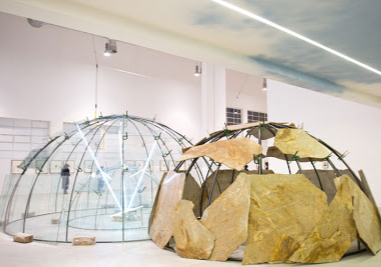
Morto Germano Celant, i suoi non poveri Poveristi

due strutture a forma di igloo. Una è esternamente trasparente e contiene all'interno delle lastre luminose, un'altra è parzialmente ricoperta da pezzi di materiale simile a cartone
Mario Merz, Igloos, mostra all’Hangar Bicocca, Milano, inizi 2019

È scomparso l’inventore dell’arte povera, Germano Celant. Peccato che questa non abbia nulla in comune con una vera povertà, che una volta, oltre ad essere una dura realtà, era una virtù praticata dai santi. Se la povertà del nostro tempo è piuttosto quella degli emarginati dal prospero mondo capitalistico, ben venga la guerriglia per combatterlo, come il nuovo teorico propone, ma cosa c’entra l’arte? Essa serviva un tempo per illustrare sulle pareti delle chiese le scene sacre di cui il popolo non sapeva leggere i racconti scritti. Oggi, invece, sembra servire proprio ai capitalisti (sia i collezionisti sia, spesso, i ricchi autori delle opere “povere”, e soprattutto i loro critici fra cui, pagatissimo, il nostro Celant). Certamente non serve al popolo che nel frattempo ha imparato universalmente a leggere, ma non ancora, purtroppo, a “capire”.  

Dietro l’arte povera di oggi, fatta per la maggior parte dei residui della disgregazione del mondo, dell’anti-trascendenza, dell’anti-bellezza, dell’anti-arte, dell’azzeramento di tutti i valori, il nostro ideologo vede un nuovo valore, nonché un ottimo investimento. 

Esso apre le porte dei musei di tutto il mondo nonché gli accessi alla carriere più remunerative in un business universale, una nuova realtà che egli ha l’intelligenza di saper vedere fra i primi. É la drammatica crisi del mondo contemporaneo che produce una confusione in cui crescono falsi valori e ottimi profitti. 

In questo contesto, ha senso credere ancora nell’uomo, nell’anima e quindi nella vera arte? Gli artisti visivi che l’hanno dimenticata e non sanno più cosa dire si affannano a cercare nuovi linguaggi, purtroppo per parlare del nulla. 

Il nuovo povero è tale non solo per una scarsità di beni materiali ma talvolta anche per la loro abbondanza. Egli è povero perché è ridotto a niente, a causa della cancellazione delle idee e di Dio, vero archetipo. Si sono invece presi per archetipi i più piccoli e primitivi frammenti che si trovano nella spazzatura. Si è voluto dimostrare che si può fare arte con essi, con dei sacchi sdruciti, della cacca in scatola, delle tele tagliate o bucate?

Invece di queste trovate, non è più semplice pensare che l’arte sia un continuare l’opera della natura, in cui ciò che è vivo, vero e organico è per ciò stesso bello? Nonché intuire e mostrare un gradino ancor più alto in cui l’uomo può salire, come un ideale, un fine, e non la caduta ai livelli più bassi e spregevoli?

Una caduta purtroppo evidenziata e teorizzata da Celant, fra l’altro nel libro dedicato a Piero Manzoni, la cui scatoletta di “merda d’artista” è riprodotta in copertina. Ricordiamo ambedue per questa eccelsa opera, proponendo però di cambiarne il titolo in quello più generale e comprensivo – “merdarte”- a cui essi si sono dedicati con successo, aprendo così a molti altri la strada che ci conduce al nulla. 

Chongqing’s Mysteries, GDP and Quality of Life

Chongqing China, a view of the industrial district of the chinese city, sunset

(second and last part)

Chongqing China – a city that is not only efficient but also livable and respectful of the environment. Indeed, one of the parameters taken into consideration is the per capita consumption of carbon emissions per unit of GDP. Chongqing occupies a high position, above Seoul and Tokyo. Not only because it relies much more on fossil fuels than the other two Asian cities but above all for the inefficiency of its urban structure. One of the proposed models is therefore Transit-Oriented Development. The advantages are considerable: preservation of natural reserves, savings of infrastructure costs of 30% and a reduction of CO2 emissions of 39%. All this without counting the improvement in people’s quality of life and the livability of the city itself.

However, urbanization also has the face of the workforce. Thousands of people move from the countryside to the city in search of a job, looking for better living conditions. In China, however, this process is affected, or rather knows about problems, due to the hukou system (户口 Hùkǒu). Inaugurated in 1958, this system provides for a strict division between inhabitants of the countryside and cities. The hukou therefore give a new nuance to the phenomenon of migration for work: the migrant, who does not have the hukou corresponding to the area of ​​residence, is treated as a second-class citizen. This is because access to services is strictly linked to the type of hukou that one has. First of all, job opportunities, welfare services such as medical care, pensions and the minimum wage are usually better in the city than in rural contexts. The permanent residence permit is a requirement to access it.

In addition, hukou is hereditary: a child born and raised in the city by parents who have emigrated from the countryside will have their own hukou. Thus, his possibilities of access to educational institutions are restricted. In response to criticism of this system, the New Urbanization Plan was gradually launched from 2018, which envisaged the expansion of the welfare plan for the benefit of migrants. Furthermore, more importantly, it extended to them the possibility of obtaining a permanent residence permit. Chongqing was the first municipality in China to implement this plan. Despite this, there are still many obstacles to achieving equal treatment today.

What can be done? We have learned to expect everything from the Asian giant. And government efforts to improve people’s quality of life are certainly tangible. The question remains, however: will the institutions manage to keep up with the consequences of urbanization, not only in Chongqing, but in the whole China? When too many is really too much.

Link to Part 1

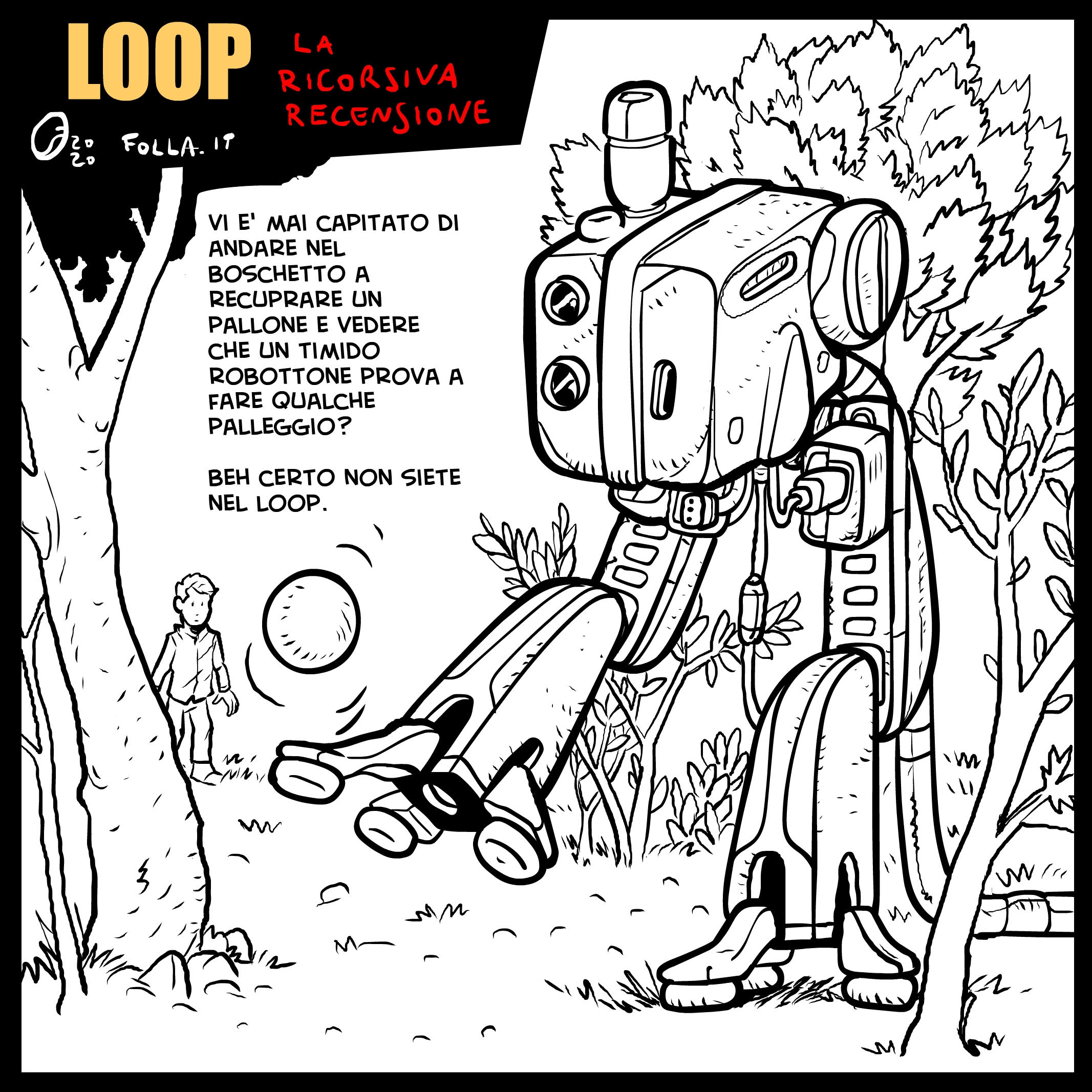
Loop. The Recursive Review

recensione loop

Comic image of the TV series Loop, between science fiction and poetry. A large robot is in a wood, among many trees; in the background a man looking at the robot.

Among the best heirs of “On the edge of reality”, a historical series, and strongly tied to the best features of modern seriality (including special effects done in a poetic way), here is this series, on Prime Video platform, slightly clinging to it. He takes you hand in hand walking in the woods. An animated grove of strange and shy retro design robots, abandoned objects that look like modern art sculptures but they are simply science fiction wrecks.

A series of stories intertwined like the branches of the forest, ruffled like the autumn leaves, unpredictable and poetic like the freezing wind blows that leave chills and suspended thoughts.

Simon Stålenhag, like the Giger in Alien, gives the series a true artistic contribution of undeniable depth. Lovers of action and dynamism should abstain, while admirers of psychological commitment and collective stories are welcome.

Loop. La Recensione Ricorsiva

recensione loop

Immagine a fumetti della serie tv Loop, tra fantascienza e poesia. Un robot di grandi dimensioni si aggira per un bosco con alberi, sullo sfondo un essere umano che guarda il robot.

Tra i migliori eredi della storica serie “Ai confini della realtà”, fortemente collegata alle migliori qualità della moderna serialità (compresi gli effetti speciali fatti in modo poetico), ecco questa serie, su piattaforma Prime Video, vi avvinghia in modo lieve. Vi porta per mano in una passeggiata nel bosco. Un boschetto animato di strani e timidi robottoni dal design retrò, oggetti abbandonati che sembrano sculture d’arte moderna ma sono invece relitti di fantascienza.

Una serie di storie intrecciate come i rami del bosco, scompigliati come le foglie d’autunno, imprevedibili e poetiche come le gelide soffiate di vento che lasciano brividi e pensieri sospesi.

Simon Stålenhag, come il Giger in Alien, porta alla serie un vero contributo artistico di innegabile spessore. Si astengano gli amanti dell’azione e del dinamismo, ben vengano gli estimatori dell’impegno psicologico e delle storie collettive.

THE PANDEMIC, MODERN LIVING, AND THE MICROCOSM – Part 2

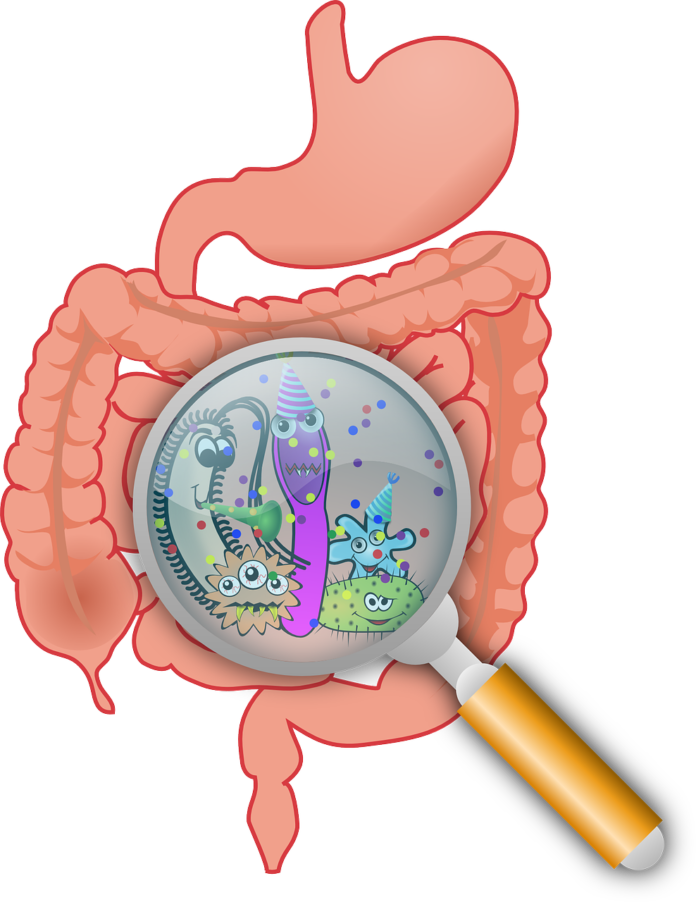
probiotics

In Part 1, we saw how our health is largely dictated by gut microflora, and how the modern lifestyle has negatively influenced the microbial balance. In this section, the possible relationship to the COVID-19 pandemic will be linked to the microbial famine, and what we could do.

The COVID-19 virus is causing severe illnesses to the elderly, and to people who have already lung or other organ disorders/illnesses. The question many are asking is why the elderly are severely infected, but we hardly seeing small children with severe symptoms?

The elderly has a lowered immune system, and children, even infants, have a strong active immune system. Recent research has demonstrated that the immune system is very much determined by the gut – poor gut health will result in a diminished immune system. As demonstrated in Part 1, the gut health is determined by the gut microflora. Babies are usually born with a strong and healthy gut microflora. As we age, the gut microflora matures and changes in gut ratios to the typical adult microflora – this is the peak of gut health. However, as we age, the gut microflora decreases, and variety decreases. This is a main reason why the elderly has a compromised immune system.

Microbial diversity, as in all natural systems, is vital for a healthy system. Healthy plants, healthy soil, healthy water bodies, and our human health are all dependant on maximum microbial diversity, in high numbers and in the correct proportions. The elderly naturally has a lowered microbial diversity and poor proportions. Also, the modern lifestyle has already lowered our immune system, in general, as it does not support the gut microbiome, but worsens it.

There is some evidence that the COVID-19 virus is at it’s most infectious and lethal in heavily polluted areas. Gut microbial health is also now linked, indirectly, to the health of the lungs. Therefore, the low general gut microbial health, the negative effects of pollution on the lungs, and the lowered microbial diversity of the elderly could be a series of factors leading to the high infection rates, and high death rates.

It is no wonder, that the doctors in China are not taking any chances, and are prescribing probiotics in conjunction with medication to the critical patients. They are treating the lungs, aiding the immune system, and restoring the gut health, as a combination treatment to fight this virus.

It has been confirmed that the virus hides in the gut, especially when there is an unbalanced gut microbiome (when the lung pathogen Prevotella numbers are high in the gut). Sewage treatment plants have been discovered to be a good testing area for detecting the virus, as a way to monitor the pandemic severity. There are patients who are still tested positive, after remission, making personal isolation longer; and the virus hiding in an unbalanced gut could be the answer why.

There are many habits in our modern lifestyle which needs to change, in order to restore and strengthen our immune systems, and in the hope of preventing future pandemics.

The first thing is to return natural and beneficial microbes back into our environment; we got to find ways to replenish our gut microbes.

There are many cases where agriculture is changing for the better: better understanding of soil and plant health, the concept of ‘farming the soil microbiome and not the crops’, biological and sustainable farming, reduction of chemicals, and even the use of agriculture ‘probiotics’. But, mass conventional agriculture can never restore the once abundant microbiome on our foods. Biological farming definitely is better in terms of obtaining natural beneficial microbes. Home gardening is also a better choice – grow your own food. However, growing your own food mut be chemical free, and use compost instead of fertilisers (otherwise it could be worse than conventionally farmed goods).

Returning nature into cities is a good option. Lots of trees, lots of grass-parks, flowers etc, all can help with some natural microbes. But then, the people must spend time in the parks.

The additional aspect is our homes and work offices. Offices and buildings which are micro-climate, i.e. air-conditioning units which circulate air, are proven to be very unhygienic. They circulate germs around the building creating phenomenon called the ‘office flu’. And businesses spend a lot of money in sterilising the air-conditioning systems.

Our houses are disinfected. We have been taught to kill every microbe in the home, and that they are ‘all bad’. This concept is very bad, very dangerous, and very misleading. The famous ‘kills 99.9% of all bacteria killed’ statement is never true. Only in the lab setting can this be reached, but in reality, it is more like 70% bacteria which are killed.

Natural microbial systems which are in a balance are very strong to the community concept. They will not allow pathogens in the community. Having natural healthy bacteria on surfaces can, and will, prevent contamination of pathogens. Sanitisers kill more ‘good’ bacteria than the bad bacteria. Therefore, if a sanitiser kills 70% bacteria, but kills more good bacteria, what is left on a surface (remaining 30%) is largely the pathogens that we wanted to get rid of in the first place! With no competition from the good bacteria, the pathogens can dominate the surface (worse than before) after several hours, after sanitising.

Then, doctors have been prescribing antibiotics a little too often, killing and reducing many healthy bacteria in our guts and bodies. This same concept applies, little good microbes results in pathogens dominating (think of hospital related infections).

We are living in a negative feed-back system, worsening our human gut microcosm. This is one of the main reasons we are witnessing the great COVID-19 pandemic. We are generally unhealthy.

Unfortunately, during this pandemic, we must sterilise our homes. There is no question about it. However, there are good cleaning products containing probiotics on the market. After sanitising, use the probiotic soaps. However, please note that diversity is key, so use one that has many different microbes.

Return to nature as often as you can, not just to replenish your sanity, but your microcosm. Start gardening again, and get your hands dirty with the compost. Stop using disinfectant soaps (even with this pandemic, good soap and water is sufficient). After the pandemic, stop disinfecting your entire home as soap is adequate. Eat healthy food. A diversity of microbes in your gut must have a diversity of food types. This means stop simple carbohydrates, eat whole wheat bread, eat different seeds and nuts, variety of biological sourced fruits and vegetables (the more uncooked the better). Eat fermented foods. Take probiotics for general health, which have a diversity of microbes. And open your windows – fresh air is better than the air-con.

Regarding the pandemic, we could even go as far as saying that we should not trust other people’s microcosm – so it is suggested that the days of hand shaking and hugging colleagues and new people we meet, should be stopped. Rather bow to each other, or such gesture. People who have a cold, or slightly ill should not be allowed to go to work, regardless of the economical impact (working from home if possible). Wearing masks in public could be made the normal cultural routine internationally.

The modern world is developing more, and it is unthinkable to go backwards. So, we must find new ways to adapt, develop new cultural habits, and new social interactions.

Look after your microcosm, and it will look after you.

THE PANDEMIC, MODERN LIVING, AND THE MICROCOSM – Part 1

Ci scusiamo per problemi tecnici

Non siamo riusciti ad andare in onda questa sera per problemi tecnici.

La produzione GreenTouchProject si scusa per il disagio.

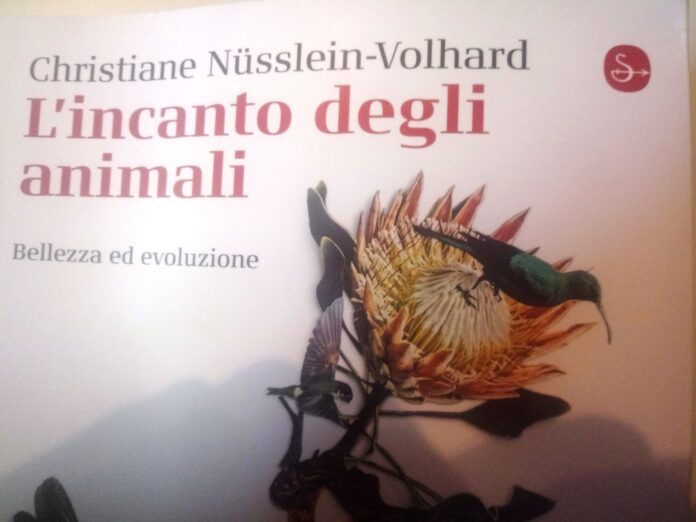
L’incanto degli animali

“L’incanto della natura”

“L’incanto della natura” – edizione Il Saggiatore, 2020 – è un saggio del premio Nobel per la Medicina Christiane Nüsslein-Volhard.

“La biologia non utilizza la categoria della bellezza per descrivere gli organismi. E tuttavia la bellezza delle piante e degli animali svolge in natura una funzione simile a quella svolta dall’arte e dalla cultura per l’umanità”.

“L’origine delle specie per selezione naturale” di Darwin descriveva come il vantaggio biologico degli individui meglio adattati di altri portasse – in maniera graduale e nel giro di milioni di anni – a cambiamenti nella specie, alla creazione di nuove e all’estinzione di altre, in un volume successivo (“Variazione degli animali e delle piante allo stato domestico”) spiegava come fosse il gusto dell’allevatore o dell’orticoltore a plasmare razze e varietà, in maniera sorprendentemente rapida.

Una delle critiche principali alla teoria delle selezione naturale riguardava proprio la bellezza: si riteneva che non spiegasse l’esistenza degli ornamenti, dei colori, del canto degli uccelli, e di tante altre cose prive di valore pratico per l’animale, che sembravano generate da un Dio creatore per il diletto degli esseri umani. (Giulia Negri, OggiScienza.it)

Qual è il significato dei colori degli insetti, la forma dei pesci o il canto degli uccelli? Quale ruolo giocano nella vita sociale degli animali?

La biologa tedesca ci racconta in questo saggio le meraviglie della natura, dell’evoluzione e come i processi con cui si formano peli, scaglie, squame e penne degli animali, siano simili ai metodi utilizzati nell’arte dell’uomo umana. Un’unione di biologia ed estetica che, grazie all’osservazione delle altre specie, ci insegna molto della nostra.

“La natura ci parla; sta a noi cogliere l’intimo significato di ciò che ci dice”.

Digital, the Importance of Cultural Engagement

Tre monitor accesi da cui fuoriescono dei sottili fasci di luce blu. Al centro un gruppo di cifre luminose con alternanza di 0 e 1. Sullo sfondo grattacieli illuminati

Digital Transformation is a central theme in our era. With the COVID-19 pandemic, the entire human community is reconfiguring its social, economic and psychological aspects. But, humanity is also overcoming its hesitations and reluctance to new technologies. Is it possible to see something positive in this terrible situation? Maybe a disruptive revolution? Even before the pandemic, digital technologies were seen as tools to defend ourselves and better deal with the current situation, sometimes referred to as VUCA. This acronym, adopted by the military world, indicates the four challenges of contemporaneity: Volatility, Uncertainty, Complexity, Ambiguity

These are themes that can refer to those that relate to the spread of SARS-CoV-2. Their expertise and contribution inevitably find great support in technology. As it is in all things today. The urgency associated with the pandemic draws great impulses from technology, and that’s all very well. However, with regard to social and psychological repercussions, this further penetration and trust in technology should be accompanied by a stronger and more appropriate cultural approach. This aims also at avoiding the risk of losing control of it. Risk of excess confusion, frustration, or perhaps Luddite actions. 

Certainly, we’ve already seen confusion, for example with regards to Smart Working promotion maneuvers. In Italy, as an example, both digital and human resource management experts will agree that what millions of citizens are doing in their homes, in front of their computers, is not innovative Smart Working at all, but simply ‘telework’, which has been used in Italy since the 1990’s. In short, the culture of digital must be increasingly spread.

According to the 2019 report of the European Digital Development and Society Index (DESI), Italy ranks 24th among the twenty-eight EU states. In this evaluation, the cultural elements and the competences weighed heavily. This Index refers to the skills needed to make the most of the benefits of digital, the use of the internet among the population and the digitalization of businesses.

If you then think of Artificial Intelligence, of Augmented Reality, of Blockchain, Drones, the Internet of Things, Robotics, Virtual Reality and 3D printing, it is clear that the cultural gap must be filled with a precise planning.

When, at the beginning of the twentieth century, the conveyor belt was introduced in factories, there had been an acceleration of production processes and therefore of the whole economic system, but it became necessary to fragment the workers’ duties, standardize production time, sacrifice worker autonomy. This is not to say that there are insidious mechanisms in digital technologies. It is the wish that a deeper and more widespread awareness will be acquired.

Il digitale. L’importanza di un impegno culturale

Tre monitor accesi da cui fuoriescono dei sottili fasci di luce blu. Al centro un gruppo di cifre luminose con alternanza di 0 e 1. Sullo sfondo grattacieli illuminati

La Digital Transformation è tema centrale della nostra epoca. Con l’emergenza Covid-19, l’intera comunità umana sta riconfigurando i propri assetti sociali, economici e psicologici, ma si sta anche aprendo a superare gli indugi e le remore alle nuove tecnologie. È possibile vedere qualcosa di positivo in questa situazione terribile? Una disruptive revolution, o rivoluzione dirompente, forse? Già prima della pandemia le tecnologie digitali venivano considerate strumenti per difenderci e affrontare meglio la situazione attuale, talvolta indicata come VUCA. Questo acronimo, tratto dal mondo militare, indica le quattro sfide della contemporaneità: Volatilità, Incertezza (Uncertainty), Complessità, Ambiguità. 

Sono temi paragonabili a quelli della diffusione del SARS-CoV-2. La loro disamina e il loro contributo inevitabilmente trovano un grande supporto nella tecnologia. Tuttavia, in relazione alle ripercussioni sociali e psicologiche potrebbe essere opportuno che questo ulteriore affondo verso la tecnologia fosse accompagnato da un più forte e appropriato approccio culturale. Questo anche per evitare di perderne il controllo. Di rischiare un eccesso di confusione, frustrazione, o magari azioni di luddismo.

Certamente abbiamo già visto confusione, per esempio per quanto riguarda le manovre di promozione dello smart working. In Italia, gli esperti di digital o di gestione delle risorse umane concorderanno nel sostenere che quello che milioni di cittadini stanno facendo nelle proprie case di fronte ad un computer non sia affatto l’innovativo smart working, ma semplicemente telelavoro, impiegato in Italia già dagli anni ‘90. È evidente che occorre diffondere sempre di più la cultura del digital. 

Secondo il report del 2019 dell’indice dello sviluppo digitale europeo DESI (Digital Economy and Society Index), l’Italia si colloca al ventiquattresimo posto tra i ventotto Stati dell’Unione. In questa valutazione hanno pesato molto proprio gli elementi culturali e delle competenze. Questo indice misura infatti le capacità necessarie per sfruttare al meglio i vantaggi del digitale, l’utilizzo di internet fra la popolazione e la digitalizzazione delle imprese.

Se poi si pensa all’Intelligenza Artificiale, alla Realtà Aumentata, alla Blockchain, i Droni, l’Internet of Things, la Robotica, la Realtà Virtuale e la Stampa 3DC, si capisce che il gap culturale va colmato con una precisa programmazione.

Quando, all’inizio del Novecento, è stato introdotto nelle fabbriche il nastro trasportatore, c’è stata un’accelerazione dei processi produttivi e quindi di tutto il sistema economico, ma si è reso necessario frammentare le mansioni degli operai, standardizzare i tempi di produzione, sacrificare l’autonomia del lavoratore. Con ciò non si intende affermare che ci siano meccanismi insidiosi nelle tecnologie digitali. Si tratta piuttosto di un augurio perché si acquisti una consapevolezza più profonda, più critica e più diffusa.


Digesting the Coronavirus, Gut Health vs COVID-19

Probiotics

The COVID-19 virus is still raging through the human race. It is 10 times more lethal than the influenza, making it the worst pandemic in recorded history. It had attacked so quickly, with weapons and strategies so new, doctors and nurses have been bravely holding the frontline. Tirelessly discovering and designing the weapons, themselves, against the adversary. It has been 6 months since the first case was reported. Now, due to many sleepless hours of research, international collaboration, and many lives lost, discoveries are being found on how to defeat this miniscule tyrant. One offensive strategy might be found in our intestines, using probiotics.


The virus is a respiratory virus, causing respiratory complications to its victims.  However, a surprising discovery is that the virus could be transmitted through faecal contamination. People who have recovered from the illness, showing 10% of virus genetic material through standard samples, still showed 50% viral genetic material in their faecal matter. The virus seems to be surviving in the intestines of its host, even after illness and treatment, for up to 37 days. This is why, after falling ill and recovering from the virus, the distressed victims should remain in isolation for an additional 3 weeks.

This behaviour by the virus is unexpected. How is it surviving in the gut? Why is it surviving in the gut? Answers are starting to be discovered. A very good article summarising these new discoveries was written by Dimitri Jacques in the French journal Alternative Santé (Annuaire Thérapeutes). The article was subsequently translated into English and published by Arnaud Savarin on LinkedIN.

The COVID-19 virus is covered with proteins, called spike proteins. The spike proteins are used to attached to host cells, by binding to very specific proteins covering the host cell. One of the main spike proteins of the COVID-19 is called the S1 protein, which bind to an enzyme called ACE2. Binding to the human ACE2 is like medieval soldiers infiltrating a castle wall using ladders or mobile scaffolds, it is the virus’s way of forcing itself into a well defended fort. The ACE2 is obviously found in the epithelial cells of the lungs, hence the respiratory complications; it is also found in the cells of veins and arteries, and also the epithelial cells of the small intestines.

And here, the answer starts to unravel. If the small intestines contain ACE2, is the virus also infecting the small intestines? Possibly, but with little to no symptoms, perfect for a good hide out after infecting the lungs.

Here is where things get very interesting. The way the virus attaches to the lung seem to be changing, evolving all the time. This is the explanation on how the virus became infectious to humans, when it seemed to be a normal virus for other animals. By changing constantly, the probability that the S1 protein changed sufficiently to bind to human lung cells became a reality in November 2019. But, and very interestingly, the way it seems to bind to the cells of the small intestines, seems to be very constant, unchanging.

The small intestines is a complicated organ, working very closely with resident microorganisms (the gut microbiome) to maintain functionality, efficient digestion and nutrient absorption, and even protection. The gut epithelial cells are usually covered by a thick mucous layer, easing the passage of digesting food, but also preventing infection by pathogenic bacteria and viruses. The formation of this mucous layer is directly related to the bacterial population distribution – a healthy gut microbial population induces the cells of the gut to produce the mucous layer. An un-balanced gut microbiome results in a poor mucous layer, and therefore a high risk of gut infection and gut maladies.

Chinese doctors and scientists directly witnessed these findings with COVID-19 patients. Testing the microbiome of faecal samples from patients who died and who survived, revealed that all patients who died had an unbalanced gut microbiome. Their levels of the good bacteria Lactobacilli and Bifidobacteria were low, and in contrary the opportunistic bacteria, Corynebacteirum and Ruthenibacterium, were elevated.

The immune system of the small intestines is also important in regulating the general immune system of the body. Therefore, lower gut immune system results in a lowered response to the general immune system. Elderly often have out-of-balance gut microbiota, whereas the youth have more higher levels of Bifidobacteria and Lactobacilli. This concept, therefore, helps to explain the fact that the COVID-19 virus is a more critical infection in the elderly.

Getting deeper into the findings, there seems to be a link to a lung pathogenic bacteria, called Prevotella, and the COVID-19. This pathogen has been often found in high numbers in the small intestines in the patients who have passed away due to the COVID-19 virus. What this actually means is being researched, but it definitely is indicating a link between gut health and severity of the COVID-19 infection.

Lactobacilli and Bifidobacteria are very well studied bacteria, and are the stars of the show in most probiotic products. They are known to be vital in healthy gut systems, and a sign of overall good health. As a product developer for a probiotic and beneficial microbe company, the articles mentioned above, and including this article, is not saying that by having a good gut microbiota is a cure for the virus, or, that it will prevent infection. But, by looking after your gut, one could possibly change the outcome of a COVID-19 infection, between mild symptoms or critical care. It is no wonder, then, that the Chinese doctors have added probiotics to their cocktail of treatment medications of COVID-19 patients – restoring the right balance of gut microbes does help in the successful recovery from the virus.

How do we maintain a good gut microbiota, and possibly avoid critical symptoms? Eat fibre rich food, vegetables, fruit, add fermented foods into your diet, consume pre-biotics (foods known to promote healthy gut bacteria), daily take probiotics or fermented products (which contains many different types of probiotic bacteria), exercise, and avoid carbohydrate rich diets and processed foods. But, for now, listen to social distancing regulations, wear a mask outside the home, be safe, and maybe take this time to start fermenting your own food.

THE PANDEMIC, MODERN LIVING, AND THE MICROCOSM – Part 1

human microcosm

The current pandemic has opened international awareness on the power of microorganisms. A simple virus, which usually causes the common cold, has turned lethal. The new version of the virus is so unusual that it causes new symptoms, which never has occurred with coronaviruses. Why the COVID-19 is so infectious and lethal might be found in the state of our own body’s microflora (gut, skin, lungs etc.)

There is a joke going around that the general population is now coronavirus experts. The general person has read many articles and listened to endless news reports on the virus, why it is so infectious, how it works, what the symptoms are etc. For the first time in many decades, the general population is interested in a form of human microbiology.

And, it is in human microbiology that there are some answers to why and how this pandemic has developed, why it even exists. But, the story is far more than human microbiology, it also enters the world of agricultural and soil microbiology.

Disclaimer: these views are some of the possible answers to the pandemic, but as in all natural systems, many factors are in play.

To fully understand the link with microbiology, we need to understand the fact that being human is not just being made up of human cells. We are also a large portion of microbial cells. Using the human gut as an example. All us humans, regardless of culture, have a complex population of microbes living in our digestive system. Each region of the gut has slight variations in the groups of microbes. This community of microbes are made up of many different types, each type having a very specific role – think of a well-run city – there are the bakers, the grocers, the shop keepers, police, municipal workers, business wo/men, doctors etc. Any imbalance can create bad outcomes (think if the population of doctors are reduced to only 20% – utter chaos will ensure). This is exactly what happens in our gut microbes. A microbial imbalance can cause severe illnesses, and even some surprising symptoms.

Due to some recent research (past decade) we have realised how important this city of microbes is to our own health. They digest our food for us (our own gut is quite bad at digesting our food by itself). The gut cells are so dependent on the microbes that they cannot function without the microbes telling the gut what to do. For example, the protective mucous layer produced by the gut is made under strict orders by gut microbes – if the microbe population is unbalanced, the gut does not produce the protective layer and ulcers can then develop. Our serotonin (happy hormone) is produced by the gut, which is dictated by the microbial population – a new possible cause of some depression. Even food cravings are actually messages by the bacteria – we basically crave what the gut microbes want to eat. And more importantly, the efficiency of our immune system is heavily determined by a balanced gut microflora. This list goes on, but it is clear that many aspects of being human is our gut microbes.

And so, many illnesses of the modern world are related to the gut microbes. Our modern lifestyles have largely diminished our balanced gut microbes. And the question is how did we get to this stage? What are we doing wrong? Could we fix our guts?

Here is where we link the natural and agricultural microbiology to our health. Pre-industrial, and pre- mass agriculture, humans ate a varied diet. Plenty of different seeds, different plants, different protein sources (meat, fish and plant proteins). This diet feed humans a varied nutrition and supported a high diversity of microbes. If a plant source had high antimicrobial properties, just by being in nature they restored the gut microbes. Natural surfaces, such as leaves and fruit, and especially healthy soils (good carbon levels), contain all the microbes we need for a healthy gut (and healthy skin). This is important because it is here where humans evolved with the microbes. The human healthy microbes are the healthy microbes found in a healthy natural environment.

Come the age of industrialisation and mass agriculture, and things started to change, devastatingly very quickly.

The real damage to the microbiome started in the industrial age. People started to work more indoors, less exposure to outdoor environments. Economies started to increase, widening the poverty-rich gap. And, majority of populations began to consume less and less variety in food groups. Potatoes, rice, corn, and wheat started to be the main carbohydrate sources, and many green vegetables types were lost to the layman. Pollution increased, and even chemicals were emitted from factories. Cities increased rapidly, and the modern diet and lifestyle developed. We were reducing the abilities for us to maintain a high and varied gut microflora, due to a reduced variety in our diet, and by not replenishing our gut microbes from the natural environment.

Then the age of fertilisers began. With the increasing world population, fertilisers were a saving grace. However, (which has really been proved in the last few decade), is that the natural microflora in the fields have been severely compromised. The fertiliser salts have been killing the soils, the same way we preserve meats by salting. Diseases in agriculture has increased, with the concomitant increase in pesticides. The much-needed chemicals have only increased the microbial problem, increasing the reliance on more chemical pesticides. Today’s foods from conventional agriculture does have less beneficial microbes. So, simply by eating healthy food (conventional sourced) is not replenishing the gut, and skin, microbiome.

Our gut microbiota, unknowingly to the medical world, had taken a hard knock. Diseases and lowered immune systems have increased, with the equal advancement of medicine practices. Doctors have been getting more efficient, our life spans have actually increased. But, one of the core problems causing disease, the gut microbiome has, unknowingly, been neglected. Maybe we have been treating the symptoms and not the cause?

The relation of this conundrum to the COVID-19 virus will be discussed in Part 2, as well as what we can do in the future to restore some much-needed microbial balance.

Out of Phase, the Possible Disaster

black writing skateboard and drowing of a skull, white background, column by Luck-Ba for Fyinpaper, lockdown phase 2
logo by Flavio Ferrarese

Phase 2: Italy VS Coronavirus

Health cannot wait, the economy cannot wait, work cannot wait, the competition showdown with other nations cannot wait, depression cannot wait. But the disaster would have to wait and should be prevented.

Decision-making countries with a strong sense of civic responsibility have regretted after having moved to phase 2. The early official easy slowing down of the lockdown cheers up people towards the past normal behaviours. Above all, those who do not have suitable tools to practice the critical sense in state management (which however is to be respected) and who perhaps see the Word in the official decrees.

Without slow and rigorous very gradual steps (which is bound not to be practiced; let us think of the great danger that transport represents), the risk of frustrating the great sacrifices made so far is very high. Herd immunity? This is another story. Damage to the economy if we don’t restart urgently? And of what magnitude would be the economic contractions in case of disaster? Let us touch wood.


Close Popup

Questo sito web utilizza cookie o tecnologie simili per finalità tecniche e, con il tuo consenso, anche per altre finalità come specificato nella cookie policy. Puoi liberamente prestare, rifiutare o revocare il tuo consenso in qualsiasi momento. La chiusura del banner comporta il consenso ai soli cookie tecnici necessari.

Close Popup
Privacy Settings saved!
Impostazioni

Quando visiti un sito Web, esso può archiviare o recuperare informazioni sul tuo browser, principalmente sotto forma di cookies. Controlla qui i tuoi servizi di cookie personali.

Questi cookie sono necessari per il funzionamento del sito Web e non possono essere disattivati nei nostri sistemi.

Cookie tecnici
Per utilizzare questo sito web usiamo i seguenti cookie tecnici necessari: %s.
  • wordpress_test_cookie
  • wordpress_logged_in_
  • wordpress_sec
  • wordpress_gdpr_cookies_allowed
  • wordpress_gdpr_cookies_declined
  • wordpress_gdpr_allowed_services

Rifiuta tutti i Servizi
SALVA
Accetta tutti i Servizi