
Cinema has been an act of resistance for decades. Now, with “It Was Just an Accident” یک تصادف ساده or Yak taṣādof-e sāde) by Jafar Panahi (2025, Cannes Palme d’Or), the director delivered a moral manifesto starts that today sounds like a warning. While Israeli-led war against Iran is underway, with the death of Ali Khamenei, this film and “We Came to Dance” play by Nasim Ahmadpour become two sides of the same coin: a justice that seeks not revenge, but recognition.
Panahi’s film
Panahi’s film was shot clandestinely, given the ban imposed on the director and the arrest (in Tehran on February 1, 2026, a few weeks after the film’s Oscar nomination) of screenwriter and civil rights activist Mehdi Mahmoudian. The cause is not directly related to the film, but is Mehdi’s signature on an open letter (the “Declaration of the 17”) condemning the regime’s violent repression of protesters. He remained in Nowshahr prison for 17 days and was released on bail on February 17, 2026, thanks to international pressure and support from the cinema world.
The sound of torture, “It Was Just an Accident”
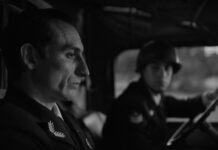
The protagonist of “It Was Just an Accident”, Vahid (played by Vahid Mobasseri), recognizes a driver (Ebrahim Azizi) as the man who had tortured him a few years earlier. Identification occurs through sound, the sound of walking produced by a prosthetic, the “wooden leg.” In a white van transformed into a traveling courtroom, the victims interrogate the executioner. Panahi’s verdict is disconcerting: there is no physical punishment. Leaving the logic of revenge behind emerges as the only way to avoid being trapped in the oppressor’s logic. It is a court of conscience that aims to reconstruct the victim’s humanity, rather than destroy that of the perpetrator.
“We Came to Dance”: immobility as testimony
This suspended justice inspires Nasim Ahmadpour‘s dramaturgy in “We Came to Dance”. Directed by Ali Asghar Dashti (a Don Quixote production with BAM teatro and Kunstenfestivaldesarts), the work features four protagonists—Hamid Pourazari, Ilnaz Shabani, Nasim Ahmadpour, and Ali Asghar Dashti, sitting motionless behind a long table.
Under the supervision of Shahram Mokri, this “Court” does not issue sentences of condemnation. The performers remain fixed, custodians of interrupted lives. Dance is absent from their bodies and relegated to the videos of Mohammadreza Rahmati, which show the forbidden movements curated by Mostafa Shabkhan, and to their words describing a motionless dance. Thanks to the technology employed by Jafar Hejazi and the lighting of Niloofar Naghibsadati, the table becomes a space for archiving pain and memory: thus certifying the existence of what has been denied. A form of passive resistance, where the truth of art matters more than the jailer’s punishment and transforms the silence of the bodies into a powerful cry of political denunciation.
Forgiveness and the custody of memory
The link between the two works lies in the rejection of symmetry with evil. In Panahi, forgiveness serves to break the chain of brutality, while behind Ahmadpour’s table hovers an immobility that denounces the void left by the ban, perpetuated without soiling its hands with hatred.
And it can be said that today Iran is not seeking a bloody catharsis. Like Vahid or the four witnesses at the table, the problem is to face the past. In these works forgiveness, is not oblivion, rather it is the drive to remain present, seated at that table of history, ready to testify that, despite torture or deprivation, the capacity to be human is powerfully activated.
Il cinema di Jafar Panahi è da decenni un atto di resistenza, ma con “Un semplice incidente” (It Was Just an Accident“, titolo originale یک تصادف ساده o Yak taṣādof-e sāde, 2025, Palma d’Oro a Cannes), il regista consegna un manifesto morale che oggi risuona come un monito. Mentre avanza la guerra di matrice israeliana all’Iran, con la morte di Ali Khamenei, il film di Panahi, assieme all’opera teatrale “We Came to Dance“ di Nasim Ahmadpour, diventano due facce di una stessa medaglia: una giustizia che non cerca vendetta, ma riconoscimento.
Il suono della tortura: “Un semplice incidente”
Il film di Panahi è stato girato in clandestinità, dato il divieto imposto al regista seguito dall’arresto (a Teheran il 1° febbraio 2026, poche settimane dopo la candidatura del film agli Oscar) dello sceneggiatore e attivista per i diritti civili Mehdi Mahmoudian. La causa non è legata direttamente al film, ma è la firma posta da Mehdi su una lettera aperta (la “Dichiarazione dei 17”) che condannava la repressione violenta dei manifestanti da parte del regime. egli è rimasto nella prigione di Nowshahr per 17 giorni e rilasciato su cauzione il 17 febbraio 2026, grazie alla pressione internazionale e al sostegno del mondo del cinema.
Il protagonista di Un semplice incidente, Vahid (interpretato da Vahid Mobasseri ), riconosce in un automobilista (Ebrahim Azizi) l’uomo che qualche anno prima lo aveva torturato. L’identificazione avviene attraverso il suono, il ritmo del cammino prodotto da una protesi, la “gamba di legno”. In un furgone bianco, trasformato in un’aula di tribunale itinerante, le vittime interrogano il carnefice. Il verdetto di Panahi è spiazzante: non c’è condanna fisica. Il superamento della logica della vendetta emerge come l’unica via per non restare prigionieri della logica dell’oppressore. È un tribunale della coscienza che mira a ricomporre l’umanità della vittima, più che a distruggere quella del colpevole.
L’immobilità come testimonianza: “We came to dance”
A questa giustizia sospesa si ispira la drammaturgia di Nasim Ahmadpour in “We Came to Dance”. Diretta da Ali Asghar Dashti (produzione Don Chisciotte con BAM teatro e Kunstenfestivaldesarts), l’opera mette in scena quattro protagonisti, Hamid Pourazari, Ilnaz Shabani, Nasim Ahmadpour e Ali Asghar Dashti, seduti immobili dietro un lungo tavolo.
Sotto la supervisione di Shahram Mokri, questo “tribunale” non emette sentenze di condanna. I performer restano fissi, custodi di vite interrotte. La danza è assente dai loro corpi e relegata ai video di Mohammadreza Rahmati, che mostrano i movimenti proibiti curati da Mostafa Shabkhan e alle loro parole che descrivono una danza immobile. Grazie alla tecnologia impiegata da Jafar Hejazi e alle luci di Niloofar Naghibsadati, il tavolo diventa uno spazio di archiviazione del dolore e della memoria: e così si certifica l’esistenza di ciò che è stato negato. Una forma di resistenza passiva, dove la verità dell’arte conta più della punizione del carceriere e trasforma il silenzio dei corpi in potente urlo di denuncia politica.
Il rifiuto dell’oblio, la custodia della memoria
Il legame tra le due opere risiede nel rifiuto della simmetria con il male. In Panahi il perdono serve a spezzare la catena della brutalità, mentre dietro il tavolo di Ahmadpour aleggia un’immobilità che è denuncia del vuoto lasciato dal divieto perpetrato senza sporcarsi le mani con l’odio. E si può dire che oggi l’Iran non sia in cerca una catarsi di sangue. Come Vahid o i quattro testimoni al tavolo, punta a guardare in faccia il passato. Il perdono, in queste opere, non è oblio, ma è spinta a restare presenti, seduti a quel tavolo della storia, pronti a testimoniare che, nonostante la tortura o la privazione, la capacità di essere umani si attiva con forza.